Real estate for sale sets the stage for this enthralling narrative, offering readers a glimpse into a story that is rich in detail and brimming with originality from the outset. From various property types to key factors to consider when buying, this guide delves into the intricacies of the real estate market.
Types of Real Estate for Sale
When it comes to real estate for sale, there are several types of properties that are typically available on the market. Let’s explore the different categories and unique listings currently available:
Residential Properties
- Single-family homes: Standalone houses designed for one family to live in.
- Condominiums: Units within a larger building that are individually owned.
- Townhouses: Multi-level homes that share walls with neighboring units.
Commercial Properties
- Retail spaces: Stores, shopping centers, or restaurants available for sale.
- Office buildings: Spaces designed for businesses to operate out of.
- Hotels: Properties with accommodations for travelers and guests.
Industrial Properties
- Warehouses: Large storage facilities for goods and products.
- Manufacturing plants: Facilities designed for production and manufacturing processes.
- Industrial land: Vacant lots zoned for industrial use or development.
Unique Listings
Some unique real estate listings currently on the market include:
A renovated historic mansion with modern amenities in a sought-after neighborhood.
An eco-friendly tiny home with off-grid capabilities and sustainable features.
A commercial property that includes a successful business with a loyal customer base.
Factors to Consider When Buying Real Estate
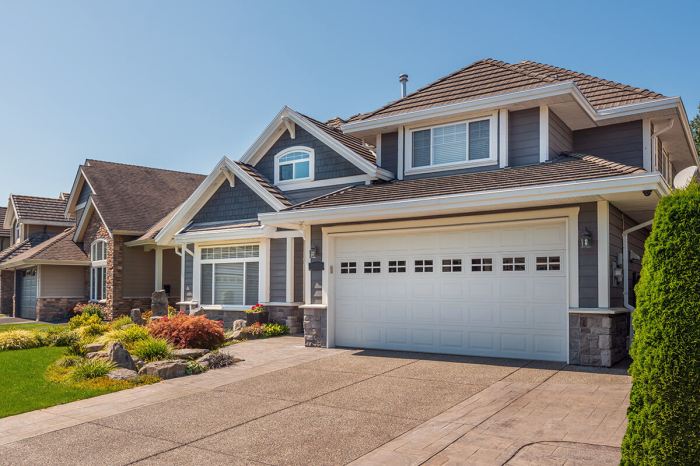
When looking to purchase real estate, there are several crucial factors that potential buyers should consider to make an informed decision. Factors such as location, price, size, and condition of the property play a significant role in determining the suitability of a property for an individual or family.
Location
The location of a property is one of the most important factors to consider when buying real estate. A good location can increase the property’s value and make it more desirable. Factors such as proximity to schools, shopping centers, public transportation, and other amenities should be taken into account.
Price
The price of the property is another critical factor to consider. It is essential to determine if the asking price aligns with the market value of similar properties in the area. Buyers should also consider their budget and financial capabilities to ensure they can afford the property in the long run.
Size
The size of the property is another factor that can impact a buying decision. Buyers should consider their space requirements, both current and future, to ensure the property meets their needs. Additionally, larger properties may come with higher maintenance costs, which should be factored into the decision-making process.
Condition
The condition of the property is crucial when buying real estate. Buyers should pay attention to the overall maintenance of the property, including the roof, foundation, plumbing, and electrical systems. A thorough inspection can help identify any potential issues that may require costly repairs in the future.During a property viewing or inspection, it is essential to pay attention to details such as the neighborhood, noise levels, natural lighting, and potential for renovation or expansion.
Taking the time to thoroughly assess these factors can help buyers make an informed decision and choose a property that meets their needs and preferences.
Real Estate Listing Websites

When searching for real estate for sale, one of the most common and convenient ways is to utilize online platforms known as real estate listing websites. These websites offer a wide range of properties and allow users to filter their search based on various criteria.
Popular Real Estate Listing Websites
- Zillow: Known for its extensive database of properties, Zillow offers features like price history, estimated property values, and neighborhood information.
- Realtor.com: This website is backed by the National Association of Realtors and provides up-to-date listings, market trends, and local information.
- Trulia: A user-friendly platform that offers detailed property listings, neighborhood insights, and market trends for buyers.
Features and User Experience
Real estate listing websites often include features such as virtual tours, high-quality images, interactive maps, and the ability to save favorite listings. The user experience varies between platforms, with some offering more advanced search options and others focusing on simplicity and ease of use.
Benefits and Drawbacks of Using Online Platforms
- Benefits:Online platforms provide a convenient way to search for properties from the comfort of your home, access a wide range of listings, compare prices, and gather information about neighborhoods.
- Drawbacks:However, some drawbacks include the possibility of outdated listings, limited information on certain properties, and the need to verify the accuracy of listings independently.
Real Estate Market Trends

Keeping an eye on the current trends in the real estate market is crucial when looking for properties for sale. Understanding how economic factors, interest rates, and market demand can impact real estate prices is essential for making informed investment decisions.
Economic Factors Influencing Real Estate Prices
- Job market stability and growth in the area can drive up demand for housing, leading to higher prices.
- Inflation rates can affect the cost of borrowing, impacting mortgage rates and buyer affordability.
- GDP growth can indicate a healthy economy, attracting more buyers and potentially increasing property prices.
Interest Rates and Real Estate Prices
- Lower interest rates make borrowing more affordable, increasing the purchasing power of buyers and potentially driving up prices.
- Higher interest rates can deter buyers due to increased borrowing costs, leading to a decrease in demand and possibly lower property prices.
Market Demand and Real Estate Prices
- High demand for housing in a particular area can result in bidding wars and higher property prices.
- Low demand can lead to properties sitting on the market longer, potentially causing sellers to lower prices to attract buyers.
Staying Informed About Market Trends
To stay informed about real estate market trends, consider the following:
- Regularly follow real estate news and reports from reputable sources.
- Consult with real estate agents who have local market expertise.
- Use online tools and resources to track market data and trends in specific areas of interest.
Final Summary

As we conclude this exploration of real estate for sale, it becomes evident that the world of property buying is multifaceted and dynamic. With insights into market trends and essential considerations, readers are equipped to navigate the realm of real estate with confidence and knowledge.
Questions and Answers
What types of real estate properties are typically available for sale?
Residential, commercial, and industrial properties are commonly found in real estate listings.
How do location, price, size, and condition impact a buying decision?
Location affects accessibility, price determines affordability, size meets space needs, and condition reflects maintenance costs.
Where can one find popular real estate listing websites?
Popular platforms include Zillow, Realtor.com, and Trulia for browsing real estate listings.
What are some current trends in the real estate market?
Economic factors, interest rates, and market demand influence property prices in the ever-evolving real estate market.
How can one stay informed about market trends for real estate investment opportunities?
Regularly following industry news, consulting with real estate agents, and attending property seminars can provide insights into market trends.