Step into the world of mobile homes for sale where possibilities abound and choices await. From understanding the differences between mobile and traditional homes to exploring the diverse types available, this guide will unravel the intricacies of purchasing and selling mobile homes.
Dive in to uncover a wealth of information that will guide you on your mobile home journey.
Overview of Mobile Homes for Sale
Mobile homes, also known as manufactured homes, are prefabricated houses that are built in a factory and then transported to a site for installation. These homes differ from traditional stick-built homes as they are constructed on a steel chassis with wheels, making them easy to move.
Benefits of Buying a Mobile Home
- Cost-Effective: Mobile homes are generally more affordable than traditional homes, making them a great option for first-time homebuyers or those on a budget.
- Flexibility: The ability to move a mobile home to a new location provides homeowners with the flexibility to change their living situation without having to sell their home.
- Lower Maintenance: Mobile homes typically require less maintenance compared to traditional homes, saving homeowners time and money in the long run.
Market Trends for Mobile Homes for Sale
According to recent data, the demand for mobile homes has been on the rise due to their affordability and flexibility. With advancements in manufacturing technology, modern mobile homes offer a wide range of amenities and customizable options, attracting a diverse range of buyers.
Types of Mobile Homes Available
Mobile homes come in various types to suit different needs and preferences. Below are the common types of mobile homes available in the market:
Single-Wide Mobile Homes
Single-wide mobile homes are typically narrower and more elongated in shape, making them ideal for individuals or small families. They are cost-effective and easier to transport compared to larger models. However, the limited space may be a drawback for those looking for more room.
Double-Wide Mobile Homes
Double-wide mobile homes are essentially two single-wide units joined together to create a more spacious living area. They offer more square footage and a layout that resembles a traditional home. Double-wide homes are suitable for larger families or individuals who desire more space and comfort.
Modular Homes
Modular homes are built off-site and transported to the desired location in sections, where they are assembled on a permanent foundation. These homes offer customization options and are often indistinguishable from traditional stick-built houses. Modular homes provide the benefits of energy efficiency, durability, and a faster construction timeline.Each type of mobile home comes with its own set of features and amenities, such as kitchen appliances, flooring options, and energy-efficient upgrades.
Buyers can choose from a variety of designs and floor plans to suit their lifestyle and budget.In summary, single-wide mobile homes are budget-friendly but may lack space, while double-wide homes offer more room for families. Modular homes provide customization and energy efficiency benefits.
Ultimately, the choice of mobile home type depends on individual preferences, budget, and needs.
Factors to Consider When Buying a Mobile Home
When looking to purchase a mobile home, there are several important factors that should be taken into consideration to ensure you make the right choice. From location to legal considerations, here are some key points to keep in mind:
Location
One of the first things to consider when buying a mobile home is its location. Whether you prefer a mobile home park or a private lot, the location can significantly impact your overall living experience. Consider factors such as proximity to amenities, safety of the neighborhood, and access to public transportation.
Size, Age, and Condition
Another crucial factor to look into is the size, age, and condition of the mobile home. Determine if the size meets your needs, assess the age of the home to anticipate future maintenance costs, and thoroughly inspect the condition of the property to ensure it is in good shape.
Legal and Financial Considerations
Before finalizing the purchase, it is essential to understand the legal and financial implications associated with buying a mobile home. Familiarize yourself with mobile home park regulations, lease agreements, and financing options to make an informed decision.
Tips for Buying a Mobile Home
- Get a professional inspection to identify any hidden issues.
- Research the reputation of the mobile home park or community.
- Consider the resale value of the mobile home in the future.
- Avoid homes with major structural or maintenance issues.
- Understand the costs involved beyond the purchase price, such as utilities and maintenance.
Pricing and Financing Options for Mobile Homes
Mobile homes come in a wide range of prices, depending on factors such as size, age, condition, and location. Generally, a new mobile home can cost anywhere from $30,000 to $100,000 or more, while used mobile homes can be found for as low as $10,000.
Prices can also vary based on whether the home is located in a mobile home park or on private land, with park fees and lot rent affecting the overall cost.
Financing Options for Buying a Mobile Home
- Personal Loans: One common way to finance a mobile home purchase is through a personal loan from a bank or financial institution. These loans typically have higher interest rates compared to traditional mortgages.
- Chattel Mortgage: Another option is a chattel mortgage, which is a loan specifically designed for mobile homes. The home itself serves as collateral for the loan.
- FHA Loans: The Federal Housing Administration (FHA) offers loans for mobile homes, making it easier for buyers to qualify for financing.
Cost Comparison: Buying vs. Renting vs. Traditional Homes
When considering the costs of buying a mobile home, it’s important to compare it to renting or purchasing a traditional home. While mobile homes are generally more affordable upfront, they may depreciate in value over time. Renting a mobile home can be cheaper in the short term, but owning a mobile home can provide stability and potential equity.
Inspecting and Assessing Mobile Homes
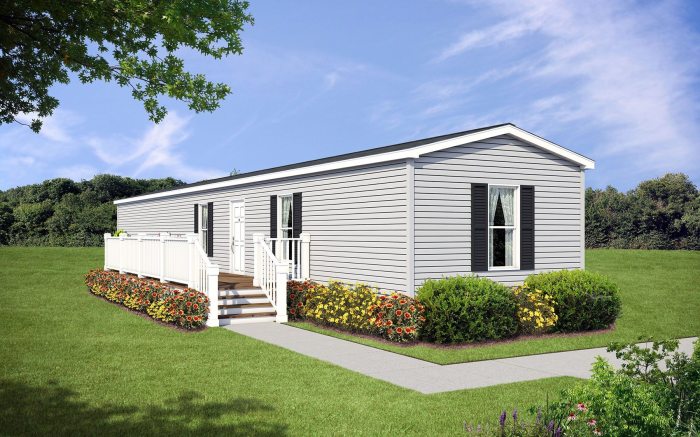
When considering purchasing a mobile home, it is crucial to thoroughly inspect and assess the property to ensure that it meets your needs and is in good condition. Here is a step-by-step guide on how to inspect a mobile home before making a purchase:
Step-by-Step Guide
- Begin by examining the exterior of the mobile home for any signs of damage such as cracks, dents, or rust.
- Check the roof for any leaks, missing shingles, or signs of water damage.
- Inspect the windows and doors to ensure they open and close properly and are properly sealed.
- Look for any signs of mold, mildew, or pests inside the mobile home.
- Test the plumbing and electrical systems to ensure they are in good working condition.
- Check the HVAC system to make sure it is functioning properly.
Common Issues to Look Out For
- Water damage, especially in areas prone to leaks such as the roof and windows.
- Structural issues like sagging floors or walls, which may indicate a more serious problem.
- Pest infestations, which can cause damage to the structure of the mobile home.
- Issues with the plumbing or electrical systems, which can be costly to repair.
The Importance of Hiring Professionals
While it is possible to conduct a basic inspection yourself, hiring professionals to inspect and assess the mobile home can provide a more thorough evaluation of the property. Professionals can identify hidden issues that may not be immediately apparent to an untrained eye, helping you make an informed decision about whether or not to proceed with the purchase.
Tips for Selling a Mobile Home
When it comes to selling a mobile home, there are several key tips that can help you attract potential buyers and secure a successful sale. From preparing your home for viewing to implementing effective marketing strategies, here are some essential tips to keep in mind:
Preparing Your Mobile Home for Sale
- Declutter and clean your home thoroughly to make it more appealing to buyers.
- Complete any necessary repairs or upgrades to enhance the overall condition of the mobile home.
- Stage your home with neutral decor and furniture to allow potential buyers to envision themselves living in the space.
Effective Marketing Strategies
- Utilize online listing platforms and social media to reach a wider audience of potential buyers.
- Highlight the unique features and selling points of your mobile home in your marketing materials.
- Consider hosting open houses or virtual tours to showcase your home to interested buyers.
Pricing Strategies and Negotiation Techniques
- Research the market value of similar mobile homes in your area to set a competitive asking price.
- Be prepared to negotiate with potential buyers and consider offers that are close to your desired sale price.
- Work with a real estate agent or professional to guide you through the negotiation process and ensure a fair deal for both parties.
Conclusive Thoughts
As we conclude this exploration of mobile homes for sale, remember that the perfect home is not just a structure but a reflection of your dreams and aspirations. With the right knowledge and strategies, finding or selling a mobile home can be a rewarding experience.
Embrace the journey ahead with confidence and excitement.
User Queries
What are the advantages of buying a mobile home?
Mobile homes are often more affordable than traditional homes and offer flexibility in terms of location.
What should buyers look for when inspecting a mobile home?
Buyers should pay attention to the roof, plumbing, and electrical systems during an inspection.
How do financing options for mobile homes differ from traditional home financing?
Financing for mobile homes may have different requirements and interest rates compared to traditional home loans.
Can mobile homes be easily relocated?
Mobile homes are designed to be moved but the process can be complex and costly.
What are common features found in modern mobile homes?
Modern mobile homes often include spacious kitchens, energy-efficient appliances, and upgraded flooring options.