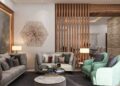
Embark on a journey into the realm of interior design and decoration, where creativity meets functionality in the spaces we inhabit. This captivating topic delves into the art of transforming living spaces through design and decor, creating harmonious environments that reflect individual style and personality.
As we delve deeper, we uncover the key elements, styles, color theory, furniture arrangements, and material choices that shape the world of interior design and decoration.
Definition of Interior Design and Decoration
Interior design involves the planning and execution of the interior space of a building, considering functionality, efficiency, and aesthetics. It focuses on enhancing the overall look and feel of a space to meet the needs and preferences of the occupants.
Significance of Interior Design
Interior design plays a crucial role in transforming living spaces into functional and visually appealing environments. It involves the selection of colors, materials, furniture, and decor to create a cohesive and harmonious space that reflects the personality and style of the occupants.
Difference between Interior Design and Interior Decoration
Interior design is more focused on the structural layout and functionality of a space, including elements like lighting, ventilation, and spatial planning. On the other hand, interior decoration involves the embellishment and beautification of a space through the selection of furniture, accessories, and color schemes.
Impact of Interior Design and Decoration on Living Spaces
– Interior design and decoration can significantly influence the mood and atmosphere of a room. For example, the use of warm colors and soft lighting can create a cozy and inviting space, while cool tones and minimalistic furniture can evoke a sense of calm and serenity. – Proper interior design can also improve the functionality of a space by optimizing the layout and flow for better usability and comfort.
For instance, strategically placing furniture to allow for easy movement and access to key areas like the kitchen or bathroom. – Interior design and decoration can enhance the value of a property by making it more attractive to potential buyers or tenants.
A well-designed space with updated features and modern finishes can increase the perceived value of a home or commercial property.
Importance of Interior Design in Creating Functional and Aesthetically Pleasing Environments
Interior design is essential for creating spaces that not only look good but also work well for the people using them. By carefully considering factors like layout, lighting, and furniture placement, interior designers can optimize the functionality of a space while enhancing its visual appeal.
This balance between form and function is key to creating environments that are both practical and aesthetically pleasing.
Elements of Interior Design
Interior design is a multifaceted discipline that involves the strategic combination of various elements to create a harmonious and visually appealing space. Key elements of interior design include color, texture, lighting, balance, harmony, and scale. Each element plays a crucial role in shaping the overall design aesthetic and functionality of a space.
Color
Color is one of the most powerful elements in interior design. It has the ability to evoke emotions, set the mood, and create a sense of cohesion in a space. Different colors can impact the perception of spacewarm colors like red and orange can make a room feel cozy, while cool colors like blue and green can create a sense of calmness.
By strategically choosing and combining colors, designers can establish a cohesive color palette that ties the entire space together.
Texture
Texture refers to the surface quality of materials used in interior design. Incorporating a variety of textures, such as smooth, rough, soft, or glossy, adds depth and visual interest to a space. Textures can also evoke tactile sensations and create a sense of richness and sophistication.
By mixing different textures, designers can add dimension and complexity to the design scheme.
Lighting
Lighting is another crucial element that can dramatically impact the ambiance and functionality of a space. Proper lighting can highlight architectural features, create focal points, and enhance the overall atmosphere. By combining natural and artificial lighting sources, designers can control the mood and visual perception of a room.
Task lighting, ambient lighting, and accent lighting can be used in combination to create a well-balanced and inviting space.
Balance, Harmony, and Scale
Balance, harmony, and scale are fundamental principles in interior design that ensure a cohesive and visually pleasing environment. Balance refers to the distribution of visual weight in a space, whether symmetrical or asymmetrical. Harmony involves the coordination of design elements to create a unified and coherent look.
Scale relates to the proportion of objects in relation to the space they occupy, ensuring that furniture and decor are appropriately sized for the room. By incorporating these principles, designers can achieve a sense of equilibrium and unity in the design composition.
Interior Design Styles
When it comes to interior design, there are various styles that can be incorporated to create a unique and visually appealing space. Each style has its own characteristics and can help set the tone for the overall ambiance of a room.
Let’s explore some popular interior design styles and how they differ from one another.
Modern Style
Modern interior design is characterized by clean lines, minimalism, and a focus on function. Furniture pieces are often sleek and simple, with an emphasis on geometric shapes. Iconic furniture pieces associated with modern style include the Eames Lounge Chair and the Barcelona Chair.
To incorporate modern style into a design scheme, opt for neutral colors, open spaces, and a clutter-free environment.
Traditional Style
Traditional interior design is known for its classic and timeless appeal. This style often features rich colors, ornate details, and elegant furnishings. Iconic furniture pieces associated with traditional style include wingback chairs, roll-arm sofas, and antique pieces. To create a cohesive traditional design scheme, use warm color palettes, intricate patterns, and decorative accents like moldings and trim.
Minimalist Style
Minimalist interior design focuses on simplicity and functionality. This style emphasizes clean, uncluttered spaces with a neutral color palette. Iconic furniture pieces associated with minimalist style include the Noguchi Coffee Table and the Wegner Wishbone Chair. To achieve a minimalist design scheme, prioritize quality over quantity, eliminate unnecessary items, and let key furniture pieces stand out in a room.
Eclectic Style
Eclectic interior design is all about mixing different styles, textures, and eras to create a unique and personalized look. This style allows for creativity and self-expression, often incorporating bold colors and unconventional furniture pieces. To incorporate eclectic style into a design scheme, mix and match furniture pieces, experiment with patterns and textures, and showcase personal collections or unique finds.
Color Theory in Interior Design
Color plays a crucial role in interior design, affecting the overall mood and atmosphere of a space. Understanding color theory is essential for creating harmonious and visually appealing interiors.The basics of color theory involve three main components: hue, value, and intensity.
Hue refers to the pure spectrum colors, value pertains to the lightness or darkness of a color, and intensity relates to the brightness or dullness of a color. By combining these elements, designers can create color schemes that evoke different emotions and feelings.
Psychological Effects of Different Colors
- Warm colors like red, orange, and yellow are known to create a cozy and inviting atmosphere. They can stimulate conversation and make a space feel energetic.
- Cool colors such as blue, green, and purple have a calming effect and are often used in bedrooms and bathrooms to promote relaxation and tranquility.
- Neutral colors like beige, gray, and white provide a sense of balance and sophistication. They serve as a versatile backdrop for adding pops of color through accessories and furnishings.
Choosing the Right Color Palette
When selecting a color palette for a room, consider the function and purpose of the space:
- For a bedroom, opt for soothing hues like soft blues or greens to promote restful sleep.
- In a home office, choose energizing colors like yellow or orange to boost productivity and creativity.
- For a dining room, warm tones like red or terracotta can stimulate appetite and encourage lively conversations.
Color Trends in Interior Design
Color trends in interior design are constantly evolving, influenced by fashion, technology, and global events. Some current trends include:
- Earthy tones like terracotta, sage green, and mustard yellow are popular for creating a sense of calm and connection to nature.
- Monochromatic color schemes, where different shades of the same color are used, create a sophisticated and cohesive look.
- Bold pops of color, such as vibrant blues or greens, add personality and drama to a space when used sparingly in accents or furniture.
Furniture and Layout Planning
When it comes to interior design, furniture selection and layout planning play a crucial role in creating a functional and aesthetically pleasing space. The choice of furniture can greatly impact the style and function of a room, while the layout determines how well the space is utilized and how smoothly it flows.
Importance of Furniture Selection and Placement
- Choose furniture that complements the style of the room – whether it’s modern, traditional, minimalist, or eclectic.
- Consider the function of the space and select furniture that serves a purpose, such as providing storage, seating, or work surfaces.
- Ensure that the scale of the furniture is appropriate for the size of the room, avoiding overcrowding or leaving too much empty space.
- Placement of furniture should allow for easy movement around the room and create designated areas for different activities.
Tips for Choosing Complementary Furniture
- Stick to a cohesive color palette and style to create a harmonious look.
- Mix different materials and textures to add visual interest and depth to the space.
- Consider the comfort and ergonomics of the furniture pieces, especially for items like sofas, chairs, and beds.
- Don’t forget about the practicality of the furniture – choose pieces that are easy to clean and maintain.
Creating a Functional Layout
- Start by defining the focal point of the room and arrange furniture around it to create a balanced and inviting space.
- Allow for enough space between furniture pieces to ensure easy circulation and access to all areas of the room.
- Consider the natural flow of movement in the room and arrange furniture accordingly to maximize functionality.
- Experiment with different layout options to find the one that best suits the size and purpose of the room.
Furniture Arrangement Techniques
- For small rooms, choose space-saving furniture and consider multipurpose pieces to maximize functionality.
- In larger rooms, create zones for different activities by grouping furniture together and defining each area with rugs or lighting.
- For open-plan spaces, use furniture placement to create visual boundaries and define separate living areas within the same room.
- Experiment with different furniture arrangements until you find the one that feels right for the space and reflects your personal style.
Materials and Textures
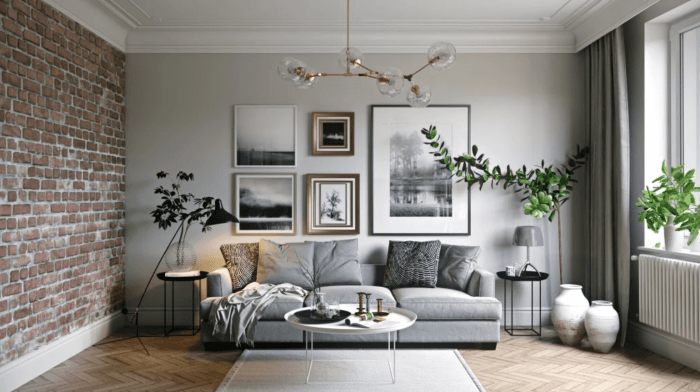
When it comes to interior design, the use of different materials and textures can play a crucial role in shaping the overall look and feel of a space. Materials such as wood, metal, glass, fabric, and stone each bring their unique characteristics to a room, while textures like smooth, rough, shiny, or matte can add depth and visual interest.
Impact of Materials on Space
Using materials like wood can create a warm and inviting atmosphere, while metal can add a modern and sleek touch to a room. Glass can make a space feel open and airy, while fabric can introduce softness and comfort. By mixing these materials strategically, designers can achieve a harmonious balance and create a dynamic environment that reflects the desired style.
Mixing Textures for Depth
When combining different textures, such as a plush rug against a sleek leather sofa or a rough stone wall next to a smooth marble countertop, designers can add layers of visual interest and create a more tactile experience. This interplay of textures not only enhances the aesthetics of a room but also contributes to its overall ambiance.
Selecting Durable and Sustainable Materials
It is essential to choose materials that are not only visually appealing but also durable and sustainable. Opting for high-quality, long-lasting materials can ensure that the design remains timeless and functional for years to come. Additionally, selecting eco-friendly and sustainable materials is crucial in minimizing the environmental impact of interior design projects and promoting a healthier living space.
Last Point
In conclusion, interior design and decoration play a crucial role in shaping our surroundings, influencing not just how a space looks but also how it feels and functions. By understanding the principles and elements discussed, one can embark on a journey to create spaces that are both visually pleasing and practical, truly reflecting personal style and taste.
Key Questions Answered
What is the difference between interior design and interior decoration?
Interior design focuses on the overall layout and functionality of a space, while interior decoration deals with the aesthetics and accessories within that space.
How do different interior design styles impact living spaces?
Each interior design style brings a unique atmosphere and character to a space, influencing how people interact with and perceive the environment.
What role does color theory play in interior design?
Color theory helps in creating mood and visual interest in a space, guiding the selection of color palettes that evoke desired emotions.