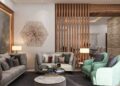
Home decor design is the art of creating a harmonious and aesthetically pleasing living environment that reflects your unique style and personality. From color schemes to furniture selection, every element plays a crucial role in transforming a house into a home.
Join us on a journey through the intricacies of home decor design as we delve into the key aspects that make a space truly special.
Overview of Home Decor Design
Home decor design is a crucial aspect of interior design that focuses on creating a harmonious and aesthetically pleasing living space. It involves selecting and arranging furniture, decor items, colors, and textures to enhance the overall look and feel of a home.Key Elements of a Well-Designed Home Decor:
- Color Scheme: Choosing the right color palette can set the mood and style of a room.
- Furniture Arrangement: Proper placement of furniture can optimize space and flow within a room.
- Texture and Patterns: Incorporating various textures and patterns adds depth and visual interest to the decor.
- Lighting: Proper lighting can enhance the ambiance and functionality of a space.
- Accessories: Thoughtfully curated accessories can add personality and character to a room.
Styles and Themes in Home Decor Design:
Styles
- Modern: Clean lines, minimalistic design, and a focus on functionality.
- Traditional: Classic and timeless elements with ornate details and rich colors.
- Transitional: A blend of modern and traditional styles for a balanced look.
Themes
- Coastal: Inspired by the beach and ocean, featuring light colors and natural materials.
- Scandinavian: Emphasizes simplicity, functionality, and natural light.
- Bohemian: Eclectic and colorful with a mix of patterns, textures, and global influences.
Balancing Functionality and Aesthetics:Achieving a well-designed home decor involves striking a balance between functionality and aesthetics. While it is important for a space to look visually appealing, it should also be practical and cater to the needs of the inhabitants.
Finding the right balance ensures that the decor not only looks good but also serves its purpose effectively.
Color Schemes and Palettes
When it comes to home decor design, color schemes and palettes play a crucial role in setting the mood and overall aesthetic of a space. The choice of colors can greatly impact the atmosphere and feel of a room, making it essential to carefully consider the color scheme throughout your home.
Popular Color Schemes
- Monochromatic: Utilizing different shades and tints of a single color for a clean and cohesive look.
- Analogous: Combining colors that are adjacent to each other on the color wheel for a harmonious feel.
- Complementary: Pairing colors that are opposite each other on the color wheel to create a bold and dynamic contrast.
- Triadic: Selecting three colors that are evenly spaced on the color wheel for a vibrant and balanced palette.
Impact of Natural Light
Natural light can significantly influence the way colors appear in a space. Rooms with ample natural light tend to showcase colors more vibrantly, while spaces with limited light may make colors appear darker or duller. It’s crucial to consider the amount of natural light in each room when choosing color schemes to ensure the desired effect.
Creating a Cohesive Color Scheme
- Choose a unifying element: Select a common color or theme to tie different rooms together.
- Use a neutral base: Opt for neutral tones as a base for your color scheme to allow for easy coordination with accent colors.
- Consider flow: Ensure a smooth transition between rooms by using varying shades of the same color family or complementary colors.
- Add pops of color: Inject personality and visual interest by incorporating pops of color through accessories, artwork, or furniture.
Furniture Selection and Placement
When it comes to home decor design, selecting the right furniture and arranging it properly can make a significant impact on the overall look and feel of a room. Here are some tips to help you choose the right pieces and place them effectively:
Selecting Furniture for Home Decor
- Consider the style and theme of your home decor design before selecting furniture. Choose pieces that complement the overall aesthetic.
- Pay attention to the scale and proportion of the furniture. Ensure that the size of the furniture fits the size of the room to create a balanced look.
- Look for furniture pieces that are versatile and can serve multiple functions to maximize space efficiency.
- Quality is key when it comes to furniture. Invest in well-made pieces that will last and withstand the test of time.
Arranging Furniture for Optimal Space and Flow
- Start by creating a focal point in the room, such as a fireplace or a piece of artwork, and arrange furniture around it to create a cohesive look.
- Allow for easy traffic flow by leaving enough space between furniture pieces. Avoid overcrowding the room with too much furniture.
- Consider the function of the room when arranging furniture. For example, in a living room, create conversation areas by placing seating facing each other.
- Experiment with different furniture arrangements to find the one that works best for your space and lifestyle.
Furniture Styles for Different Design Themes
- For a modern design theme, opt for sleek and minimalistic furniture with clean lines and neutral colors.
- In a traditional design theme, choose furniture with ornate details, rich textures, and classic finishes like wood or leather.
- If you’re going for a bohemian or eclectic style, mix and match different furniture pieces from various eras and styles for a unique and personalized look.
- In a coastal or nautical design theme, incorporate furniture made from natural materials like rattan or wicker to create a relaxed and beachy vibe.
Textures, Patterns, and Accessories
When it comes to home decor, textures, patterns, and accessories play a crucial role in adding depth, visual interest, and personality to a space. By carefully selecting and combining different textures and patterns, along with the right accessories, you can create a cohesive and well-designed environment that reflects your style and taste.
Mixing Textures and Patterns
One key to successful home decor design is the art of mixing textures and patterns effectively. To create a visually appealing space, consider combining different textures such as smooth, rough, shiny, and matte finishes. Pairing these textures with various patterns like stripes, florals, geometric shapes, or abstract designs can add dimension and interest to a room.
Incorporating Accessories
Accessories like rugs, pillows, and artwork can enhance the overall look and feel of a room. When incorporating these accessories into your home decor, consider the color scheme, scale, and style of the pieces to ensure they complement the existing elements in the space.
Rugs can define areas, pillows can add pops of color and comfort, and artwork can serve as focal points or tie the room together.
Layering Textures and Patterns
Layering textures and patterns is essential for creating a cohesive and harmonious look in home decor. By combining different textures and patterns in layers, you can add depth, warmth, and visual interest to a room. Consider mixing materials like wood, metal, glass, fabric, and leather to create a dynamic and inviting space.
Additionally, layering patterns through textiles, wallpaper, or decor items can create a sense of richness and complexity in the design.
Lighting Design
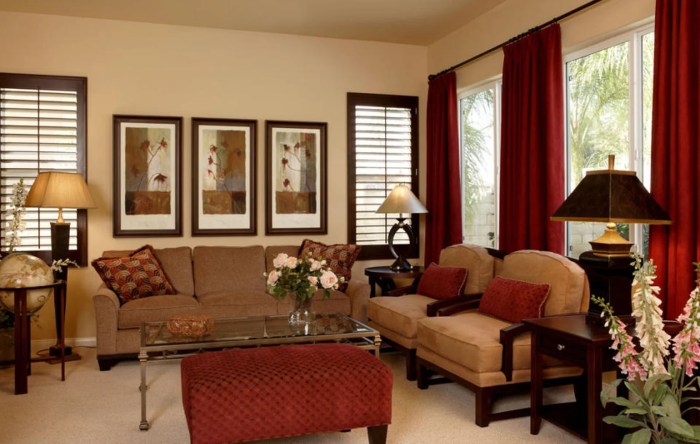
When it comes to home decor design, lighting plays a crucial role in enhancing the overall ambiance of a room. Proper lighting can completely transform the look and feel of a space, making it both functional and aesthetically pleasing.
Types of Lighting Fixtures and Their Roles
- Ambient Lighting: This provides overall illumination in a room and sets the tone for the space.
- Task Lighting: Designed to illuminate specific areas for tasks like reading or cooking.
- Accent Lighting: Used to highlight architectural features, artwork, or focal points in a room.
- Natural Lighting: Harnessing natural light through windows, skylights, or doors to create a bright and airy feel.
Tips for Creating a Well-Lit Space
- Layering Lights: Combine different types of lighting for depth and versatility.
- Dimmer Switches: Install dimmers to control the intensity of light and create different moods.
- Consider Bulb Temperature: Choose warm or cool-toned bulbs to suit the desired ambiance.
- Use Lighting Zones: Divide the room into zones and light them accordingly for flexibility.
Using Lighting to Highlight Key Features
Lighting can be strategically placed to draw attention to key features or focal points in a room. For example, using a spotlight to showcase a piece of artwork or a chandelier to define a dining area can create visual interest and enhance the overall design.
Ending Remarks
As we conclude our exploration of home decor design, remember that your home is a canvas where you can unleash your creativity and express your individuality. By carefully considering color palettes, furniture arrangements, and lighting choices, you can curate a space that not only looks beautiful but also feels like a true reflection of who you are.
Let your home decor design journey begin today!
Question Bank
What is the significance of balancing functionality and aesthetics in home decor design?
Balancing functionality and aesthetics ensures that your space not only looks visually appealing but also serves its purpose effectively, creating a harmonious and comfortable living environment.
How can natural light impact color choices in home decor design?
Natural light can influence how colors appear in a space, affecting the overall ambiance and mood. It’s important to consider the direction and intensity of natural light when selecting color schemes.
Why is it essential to consider scale and proportion when choosing furniture pieces?
Scale and proportion help maintain visual balance in a room, ensuring that furniture pieces complement each other and the overall design scheme without overwhelming the space.
What role does lighting play in enhancing the ambiance of a room?
Lighting can dramatically impact the mood and atmosphere of a space, highlighting architectural features, creating focal points, and setting the overall tone for the room.
How can textures and patterns be effectively incorporated into home decor design?
Textures and patterns add depth and visual interest to a space. Mixing different textures and patterns thoughtfully can create a dynamic and inviting environment, enhancing the overall decor scheme.