Embark on a journey through the world of historic homes for sale, where each property tells a story of the past and offers a glimpse into a bygone era. From unique architectural features to the challenges of preservation, this topic delves into the rich tapestry of history woven within these homes.
As we unravel the layers of historic homes, we uncover the secrets and significance behind each property, inviting readers to explore the allure and complexities of owning a piece of history.
Researching Historic Homes for Sale
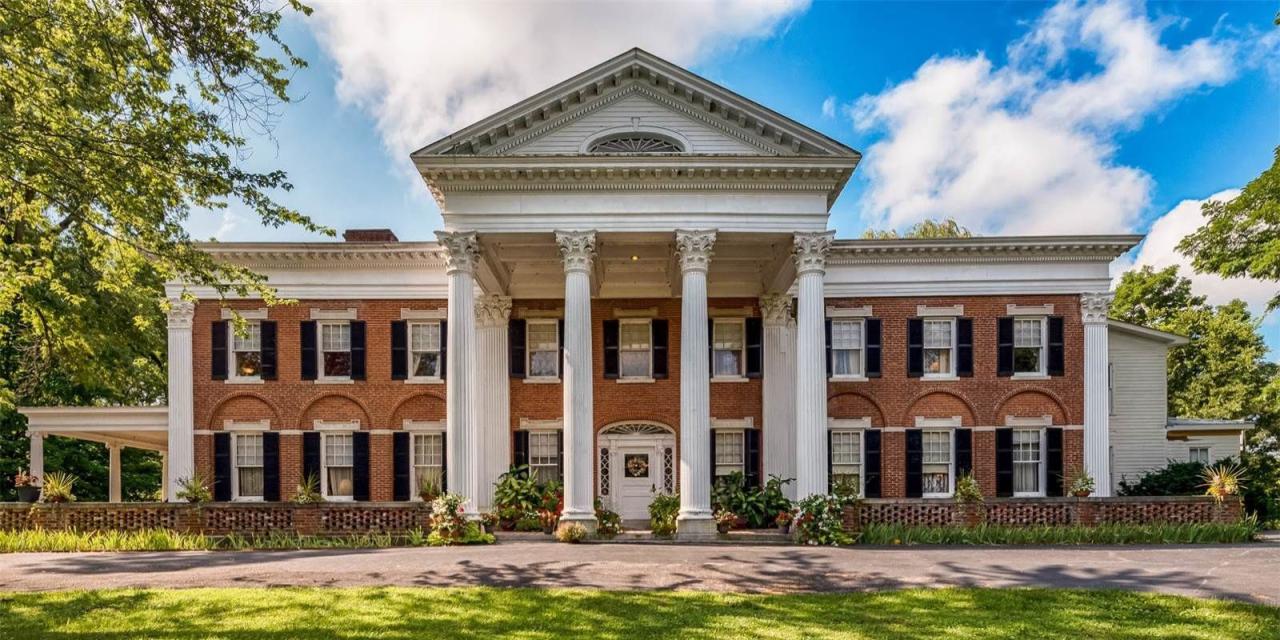
When looking to purchase a historic home, it is essential to conduct thorough research to ensure you find the perfect property with historical significance. Here are some key points to consider when researching historic homes for sale:
Finding Listings of Historic Homes
- Start by checking online real estate listings on websites specializing in historic properties.
- Contact local historical societies or preservation organizations as they often have information on historic homes for sale.
- Work with a real estate agent who specializes in historic homes as they may have access to exclusive listings.
Importance of Historical Significance
When researching historic homes for sale, it is crucial to consider the historical significance of the property. Here’s why:
- Historic homes are often unique in architecture and design, offering a glimpse into the past.
- Properties with historical significance may be eligible for tax benefits or preservation grants.
- Understanding the history of the home can add value and appreciation for its heritage.
Characteristics of Historic Homes
Historic homes are known for their unique features that reflect the time period in which they were built. These homes often hold significant historical value and are cherished for their architectural details and craftsmanship.
Unique Features Found in Historic Homes
Historic homes commonly feature the following unique characteristics:
- Elaborate woodwork and molding
- Stained glass windows
- Grand staircases
- High ceilings
- Original hardwood floors
Architectural Styles in Historic Properties
Historic homes can be found in various architectural styles, each representing different time periods and influences:
- Colonial – characterized by symmetry and simple lines
- Victorian – known for ornate details and decorative elements
- Craftsman – featuring exposed beams and natural materials
- Tudor – showcasing timber framing and steeply pitched roofs
Significance of Preservation and Restoration
Preservation and restoration play a crucial role in maintaining the authenticity of historic homes:
- Preservation ensures that the original character and features of a historic home are retained.
- Restoration involves repairing and recreating elements to reflect the home’s original design and craftsmanship.
- By preserving and restoring historic homes, we can honor the past and keep these architectural treasures alive for future generations to appreciate.
Factors to Consider when Buying Historic Homes
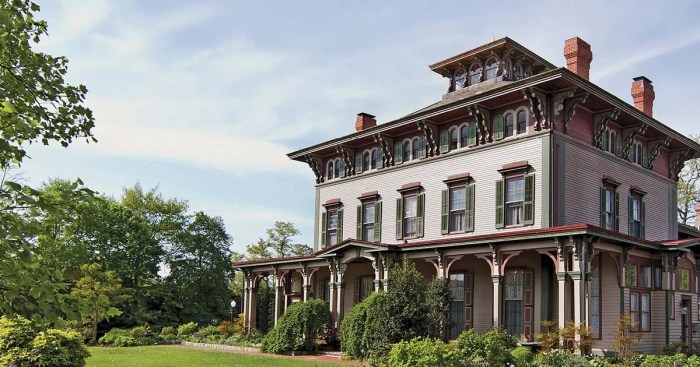
When considering purchasing a historic home, there are several factors to take into account to ensure a successful investment and enjoyable living experience.
Challenges of Owning a Historic Property
Historic homes often come with unique challenges due to their age and historical significance. Maintenance and renovation costs can be higher, as specialized materials and craftsmanship may be required. Additionally, restrictions on modifications and renovations imposed by historical preservation regulations can limit the homeowner’s ability to personalize the property.
Pros and Cons of Purchasing a Historic Home vs. a Modern One
- Pros:Historic homes often boast unique architectural features and charm that are not found in modern properties. They may also have a rich history and character that add to their appeal.
- Cons:On the other hand, historic homes may require more maintenance and upkeep compared to modern homes. They may also have outdated systems and infrastructure that need to be updated.
Importance of Inspections and Evaluations
When considering buying a historic home, it is crucial to conduct thorough inspections and evaluations to assess the condition of the property. This includes inspecting the foundation, roof, plumbing, electrical systems, and overall structural integrity. Hiring experts familiar with historic properties can help identify potential issues and provide recommendations for maintenance and restoration.
Renovating and Restoring Historic Homes
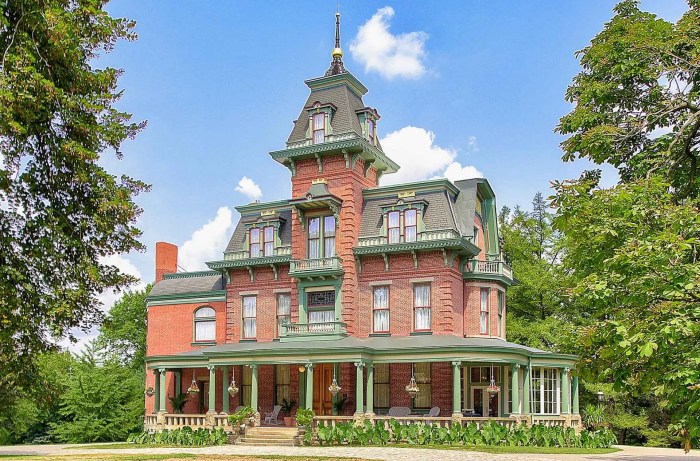
When it comes to renovating and restoring historic homes, it is crucial to proceed with caution and respect for the property’s historical significance. Here, we will provide a step-by-step guide on how to renovate a historic home, the importance of working with professionals experienced in historic renovations, and tips on preserving historical integrity while making necessary updates.
Step-by-Step Guide on Renovating a Historic Home
Renovating a historic home requires careful planning and attention to detail. Here are the key steps to follow:
- Conduct thorough research on the history of the home to understand its architectural style and period features.
- Assess the condition of the property and prioritize necessary repairs and upgrades.
- Create a renovation plan that respects the original design elements while incorporating modern amenities.
- Obtain any required permits or approvals from local historic preservation boards.
- Hire experienced contractors and craftsmen who specialize in historic renovations.
- Proceed with the renovation work while paying close attention to preserving historical details.
- Regularly inspect the progress to ensure that the renovation stays true to the home’s historical integrity.
Working with Professionals Experienced in Historic Renovations
Collaborating with professionals who have expertise in historic renovations is essential to ensure the successful preservation of a historic home. Here’s why it’s important:
- Historic preservation specialists understand the unique challenges and requirements of renovating historic properties.
- These professionals have the skills and knowledge to maintain the authenticity of historical features while implementing necessary updates.
- Working with experienced professionals can help navigate the complexities of local regulations and preservation guidelines.
- Their attention to detail and craftsmanship can result in a high-quality renovation that respects the home’s historical significance.
Preserving Historical Integrity While Making Necessary Updates
Preserving the historical integrity of a home during renovations is crucial to maintaining its unique character and value. Here are some tips on how to achieve this balance:
- Document and preserve original architectural elements, such as moldings, trim, and hardware.
- Replicate any damaged or missing historical features using period-appropriate materials and techniques.
- Avoid making irreversible changes that could alter the home’s historical significance.
- Consult with preservation experts to ensure that any updates are in line with the property’s historic fabric.
- Consider the long-term impact of renovation decisions on the home’s authenticity and historical value.
Ending Remarks
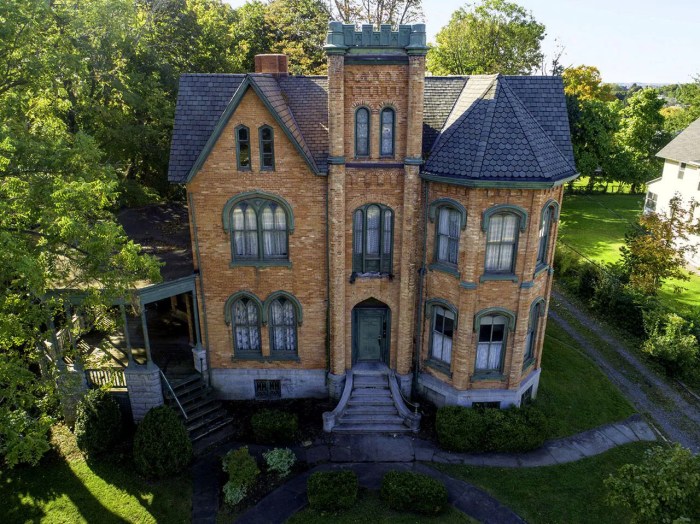
In conclusion, historic homes for sale are not just structures; they are living artifacts that connect us to our heritage and roots. Whether you’re a history enthusiast or a homeowner seeking a unique property, the world of historic homes beckons with its timeless charm and character.
Expert Answers
What are some key sources for finding listings of historic homes?
Key sources include local historical societies, specialized real estate agents, and online platforms dedicated to historic properties.
What unique features can be commonly found in historic homes?
Common features include intricate moldings, original hardwood floors, stained glass windows, and grand staircases.
What are the challenges of owning a historic property?
Challenges may include higher maintenance costs, restrictions on renovations, and potential limitations on modern amenities.
Why is it important to work with professionals experienced in historic renovations?
Experienced professionals understand the nuances of historic homes, ensuring that renovations preserve the property’s authenticity and historical value.
How can one maintain historical integrity while making necessary updates to a historic home?
Preserving historical integrity involves using period-appropriate materials, respecting the original design, and documenting any changes made for future reference.