Exploring the world of foreclosed houses near me opens up a realm of opportunities and challenges. From understanding the intricacies of foreclosures to navigating the process of evaluating and buying these properties, this guide will equip you with the knowledge needed to make informed decisions in the real estate market.
Understanding Foreclosed Houses
Foreclosed houses are properties that have been taken back by the lender due to non-payment of the mortgage by the homeowner. These properties are typically sold at auction or listed on the market at a discounted price compared to regular listings.
Process of Foreclosure
Foreclosure in the real estate market occurs when a homeowner fails to make mortgage payments, leading the lender to take legal action to repossess the property. The process usually involves several stages, including a notice of default, auction, and potential eviction of the homeowner.
Reasons for Foreclosure and Impact on Homeowners
There are various reasons why houses are foreclosed, such as job loss, divorce, medical emergencies, or financial mismanagement. The impact on homeowners is significant, as they may lose their home, face damaged credit, and struggle to find alternative housing options.
Finding Foreclosed Houses Near Me
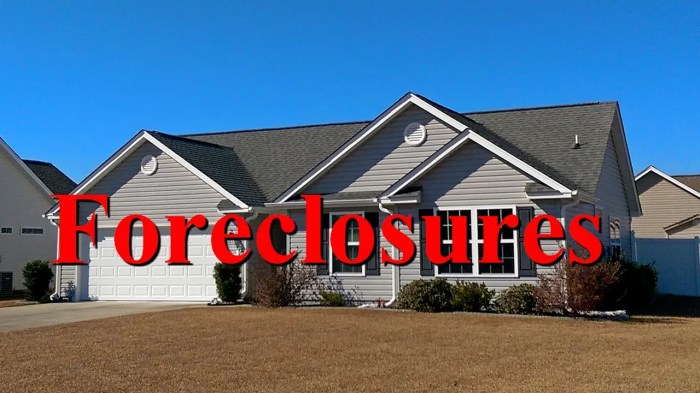
Finding foreclosed houses in your local area can be a challenging but rewarding process. Here are some strategies to help you in your search:
Online Resources for Foreclosed Property Listings
When looking for foreclosed houses near you, online platforms can be a valuable resource. Websites like Zillow, Realtor.com, and Foreclosure.com offer listings of foreclosed properties in various locations. These platforms allow you to search by city, zip code, or even neighborhood, making it easier to find properties in your desired area.
- Utilize filters: When searching on online platforms, make use of filters such as price range, number of bedrooms, and property type to narrow down your options.
- Set up alerts: Some websites allow you to set up alerts for new foreclosed listings that meet your criteria. This can help you stay informed about new properties hitting the market.
- Check multiple websites: While some platforms may have overlapping listings, checking multiple websites can ensure you don’t miss out on any potential opportunities.
Working with Real Estate Agents Specialized in Foreclosures
Real estate agents who specialize in foreclosures can be a valuable resource in your search for foreclosed houses near you. These agents often have access to exclusive listings and can provide insights into the foreclosure market in your area.
When working with a real estate agent specialized in foreclosures, be sure to communicate your preferences clearly and ask about their experience with foreclosed properties.
- Ask for recommendations: Reach out to friends, family, or colleagues for recommendations on real estate agents who have experience with foreclosures.
- Attend foreclosure auctions: Real estate agents who deal with foreclosures may also be familiar with foreclosure auctions in your area. Attending these auctions can be another way to find foreclosed properties.
- Discuss your budget and timeline: Make sure to discuss your budget and timeline with your real estate agent so they can tailor their search to meet your needs.
Evaluating Foreclosed Properties
When evaluating foreclosed properties, there are several factors to consider to ensure you make an informed decision. Understanding these factors can help you weigh the risks and benefits of purchasing a foreclosed house and avoid potential pitfalls.
Factors to Consider when Examining a Foreclosed Property
- Condition of the Property: Assess the overall condition of the house, including any necessary repairs or renovations that may be needed.
- Location: Consider the neighborhood, proximity to amenities, schools, and potential for future appreciation in value.
- Title Search: Conduct a thorough title search to uncover any liens or back taxes on the property.
- Comparable Sales: Research recent sales of similar properties in the area to determine if the asking price is reasonable.
- Financing Options: Explore your financing options and ensure you have the means to purchase the property.
Potential Risks and Benefits of Purchasing a Foreclosed House
- Risks:
- Hidden Costs: Foreclosed properties may come with hidden costs such as repairs, liens, or taxes.
- Competition: There may be competition from other buyers, potentially driving up the price.
- Uncertainty: The purchase process for foreclosed properties can be complex and time-consuming.
- Benefits:
- Discounted Price: Foreclosed properties are typically priced below market value, offering potential savings.
- Investment Opportunity: Purchasing a foreclosed property can be a good investment if the property appreciates in value.
- Potential for Profit: With some renovations and improvements, you can increase the property’s value and potentially make a profit.
Importance of Conducting Inspections and Due Diligence before Buying
- Inspections: It is crucial to conduct a thorough inspection of the property to identify any issues or needed repairs.
- Due Diligence: Research the property’s history, including any outstanding liens, taxes, or legal issues that may affect the purchase.
- Consult Professionals: Seek advice from real estate agents, home inspectors, and legal experts to ensure you are making a sound investment.
Financing and Buying Foreclosed Houses
When it comes to buying a foreclosed property, there are various financing options available to prospective buyers. Understanding these options can help you make an informed decision and secure the best deal.
Financing Options for Buying a Foreclosed Property
- Traditional Mortgage: One of the most common ways to finance the purchase of a foreclosed home is through a traditional mortgage from a bank or lending institution. This option typically requires a down payment and a good credit score.
- FHA Loan: The Federal Housing Administration (FHA) offers loans specifically designed for purchasing foreclosed properties. These loans have lower down payment requirements and are more accessible to buyers with less-than-perfect credit.
- Hard Money Loan: For buyers who may not qualify for a traditional mortgage, a hard money loan can be an alternative option. These loans are typically secured by the value of the property itself, making them easier to obtain but with higher interest rates.
The Auction Process for Purchasing Foreclosed Homes
Foreclosed properties are often sold at public auctions, where interested buyers can bid on the property. It’s important to note that buying a foreclosed home at auction comes with its own set of risks and challenges.
- Research: Before participating in an auction, it’s crucial to research the property thoroughly and understand the terms of the sale.
- Registration: In most cases, buyers are required to register for the auction and provide a deposit to participate.
- Bidding: During the auction, buyers can place bids on the property, competing with other interested parties. The highest bidder typically wins the auction.
Guidance on Negotiating the Purchase Price of a Foreclosed House
When buying a foreclosed property, negotiating the purchase price can be a key factor in getting a good deal. Here are some tips for negotiating the price of a foreclosed house:
- Research Comparable Properties: Before making an offer, research the prices of similar properties in the area to ensure you’re getting a fair deal.
- Inspect the Property: Conduct a thorough inspection of the property to identify any issues that may affect its value. Use this information as leverage during negotiations.
- Be Prepared to Walk Away: Don’t be afraid to walk away from a deal if the price isn’t right. There are plenty of foreclosed properties on the market, so be prepared to wait for the right opportunity.
Final Wrap-Up
In conclusion, foreclosed houses near me present a unique avenue for potential homebuyers and investors alike. By leveraging the information and tips shared in this guide, you can confidently explore the world of foreclosures and make sound decisions when it comes to purchasing these properties.
Question Bank
What are foreclosed houses?
Foreclosed houses are properties seized by lenders due to non-payment of the mortgage, which are then put up for sale to recover the outstanding loan amount.
How can I find foreclosed houses near me?
You can search for foreclosed houses in your local area by utilizing online resources, attending auctions, or working with real estate agents specializing in foreclosures.
What factors should I consider when evaluating a foreclosed property?
When evaluating a foreclosed property, consider its condition, location, market value, and potential renovation costs to make an informed decision.
Are there risks associated with buying a foreclosed house?
Yes, risks include hidden liens, property damage, and a lengthy purchase process. Conduct thorough inspections and due diligence to mitigate these risks.
What financing options are available for buying a foreclosed property?
Financing options include conventional loans, FHA loans, and cash purchases. Each option has its own requirements and considerations.